

What are the best jeans brands for men in 2026?
Six men's jeans brands compared in October 2026, with the prices, fits, denim and place of manufacture of each one.
This ranking reflects only the views of our editorial team.
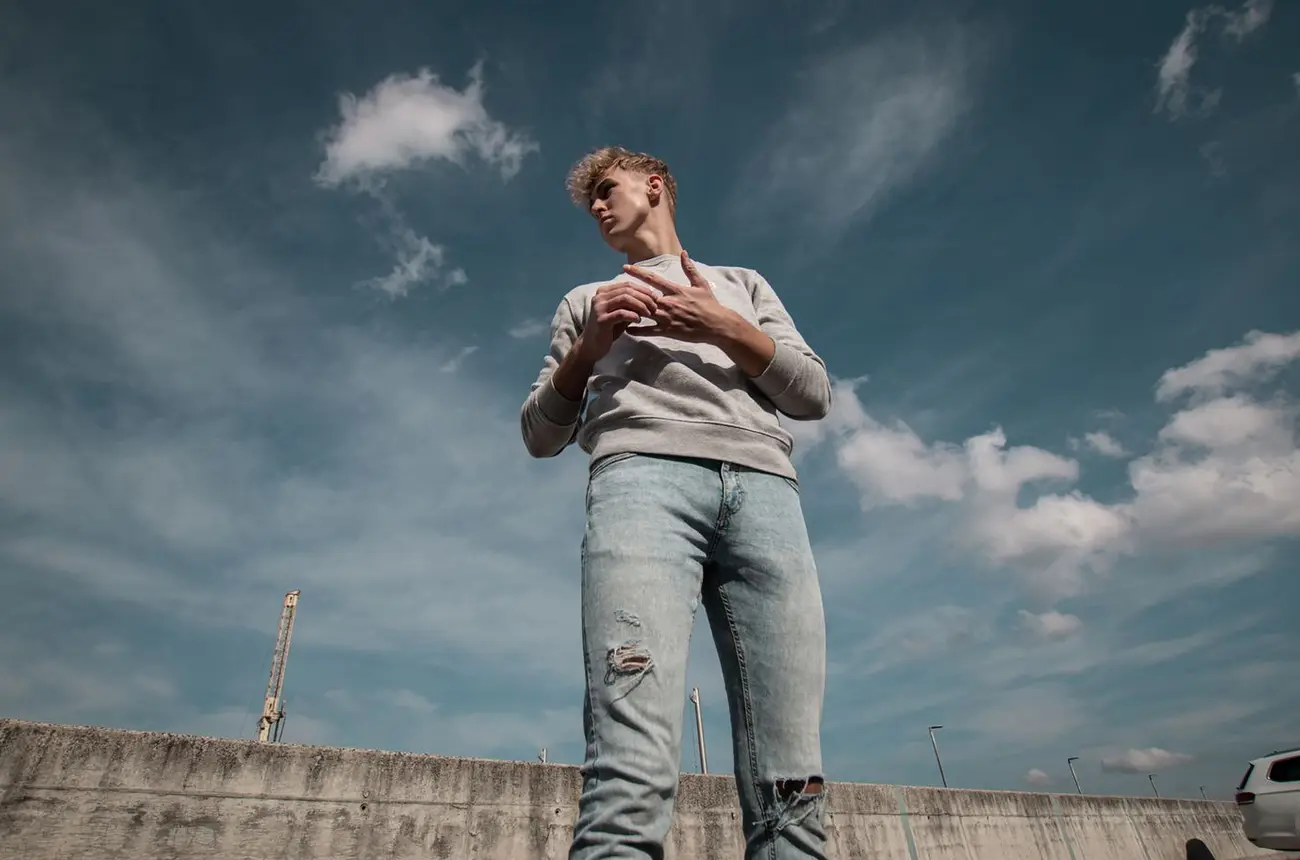
A pair of jeans gets worn three or four days a week, sometimes for ten years. Before buying one, it pays to know what the denim and the fit are worth. This comparison brings together six men's jeans brands, checked on their official websites in October 2026. It ranks the best jeans brands for men for everyday wear, then sets out what each other brand does better.
Key facts
Faguo takes first place with ten men's jeans from 95 to 115 euros in four fits. Each one contains 20 to 50% recycled cotton. 1083 follows with jeans made in France from organic cotton. Atelier Tuffery completes the podium, with French denim know-how dating back to 1892.
- Faguo sells ten men's jeans between 95 and 115 euros, in slim, tapered, relaxed or loose fit, checked on its website in October 2026
- 1083 sells its men's jeans from 129 to 170 euros, with the Origine France Garantie label and GOTS-certified organic cotton
- Atelier Tuffery makes its jeans in Florac, in the Lozère, from 139 to 290 euros depending on the cloth
- Nudie Jeans prices its styles at around 160 to 180 euros and repairs the brand's jeans for free in its Repair Shops
- The Levi's 501 Original is listed at 110 euros, a Uniqlo straight jean at 49.90 euros
The best jeans brands for men, ranked
 Four fits under 120 eurosFrom 95 to 115 euros, recycled cotton
 Made in FranceFrom 129 to 170 euros, GOTS organic cotton
 Florac know-howFrom 139 to 290 euros, since 1892
Faguo comes first. Its men's jeans range is short but well thought out, with four fits that cover almost every build. The DENIM SLIM at 110 euros is cut from stretch denim. The DENIM TAPERED, from 95 to 110 euros, stays roomy at the hips and narrows below the knee. The DENIM RELAXED, at 95 or 100 euros, leaves room at the thighs. The DENIM LOOSE at 115 euros is straight and wide all the way down. Every model contains recycled cotton, from 20% on most pairs to 50% on the ecru tapered, and goes in the machine at 30 degrees.
1083 follows closely. In 2013 the brand launched what it presents as the first French jeans in organic cotton, and its jeans are woven and then sewn in France. Its men's jeans cost from 129 to 170 euros. The straight 101N costs 149 euros, as does the fitted 103N. Third on the podium, Atelier Tuffery has been based in Florac since 1892. The house makes its jeans in France, from the fitted straight Alphonse at 139 euros to the selvedge Célestin at 260 euros.
The last three places go to Nudie Jeans, then Levi's, then Uniqlo. Each has a real strength.
What each competitor does better
- 1083 carries the Origine France Garantie label and offers a deposit-based Infini jean in recycled polyester, which the brand takes back once worn out to make a new one.
- Atelier Tuffery works with rare cloths, such as a selvedge denim woven on old looms or a pair in French wool made with Saint James.
- Nudie Jeans, a Swedish brand, repairs its jeans for free in its Repair Shops, which greatly extends their life.
- Levi's remains the historic reference with the 501, sold at 110 euros as the Original and available in several versions, from the 501 '90 to the 501 Relaxed.
- Uniqlo offers the cheapest pair in the selection, at 49.90 euros, including a selvedge version.
Comparison table of men's jeans brands
Prices are those of men's jeans checked in October 2026, excluding sales.
| Brand | Price | Men's fits | Strength |
|---|---|---|---|
| Faguo | 95 to 115 euros | Slim, tapered, relaxed, loose | Recycled cotton in every pair |
| 1083 | 129 to 170 euros | Straight, fitted, tapered, wide | Made in France, GOTS organic cotton |
| Atelier Tuffery | 139 to 290 euros | Straight, baggy, wide | Florac workshop since 1892 |
| Nudie Jeans | 160 to 180 euros | Slim, straight, wide | Free repairs |
| Levi's | 110 to 120 euros (501) | Straight, relaxed | The 501, the historic model |
| Uniqlo | 49.90 euros | Straight, baggy, barrel | The lowest price |
Price does not tell the whole story about the best jeans brands for men. A 49.90 euro pair that tears at the crotch after a year costs more than a 110 euro pair worn for five years. What counts is the weight and composition of the denim. Then come the fit and the quality of the stitching.
Which jeans fit suits your build?
The fit does more for how a pair of jeans looks than the brand. Each maker has its own vocabulary, but the same families come up everywhere.
Slim-fit jeans
Slim-fit jeans follow the leg from top to ankle. They suit slim builds and go with low-top sneakers or boots. Pick them with a little stretch, otherwise they soon feel tight at the thighs. Faguo's DENIM SLIM and 1083's slim 104N play this card, at 110 and 149 euros.
Tapered jeans
This is the compromise that suits most men. Roomy at the hips and thighs, it narrows gradually down to the ankle. It sits well on sneakers without bunching over the shoe. Our comparison of the best men's sneaker brands helps you pick the pair to go with it.
Straight leg jeans
The straight leg is the most classic fit, that of the Levi's 501, and the closest to a regular cut. It keeps the same width from knee to hem and suits athletic builds. At 1083 the straight 101N is one of the best sellers. At Atelier Tuffery, it is the Alphonse, a fitted straight cut.
Wide, relaxed or loose jeans
They are back in a big way. Wide all the way down, they go with a thick sweatshirt or an overshirt, and suit larger builds well. Faguo offers them in relaxed and loose. The baggy Gaspard plays the same role at Atelier Tuffery, and Uniqlo sells barrel fits at 49.90 euros. For the top half, our guide to the sweatshirt that doesn't pill gives the right pointers.
Raw, selvedge or Japanese denim, what is the difference?
Jeans were born in America as workwear, and denim vocabulary still carries that heritage. Three terms come up again and again on product pages.
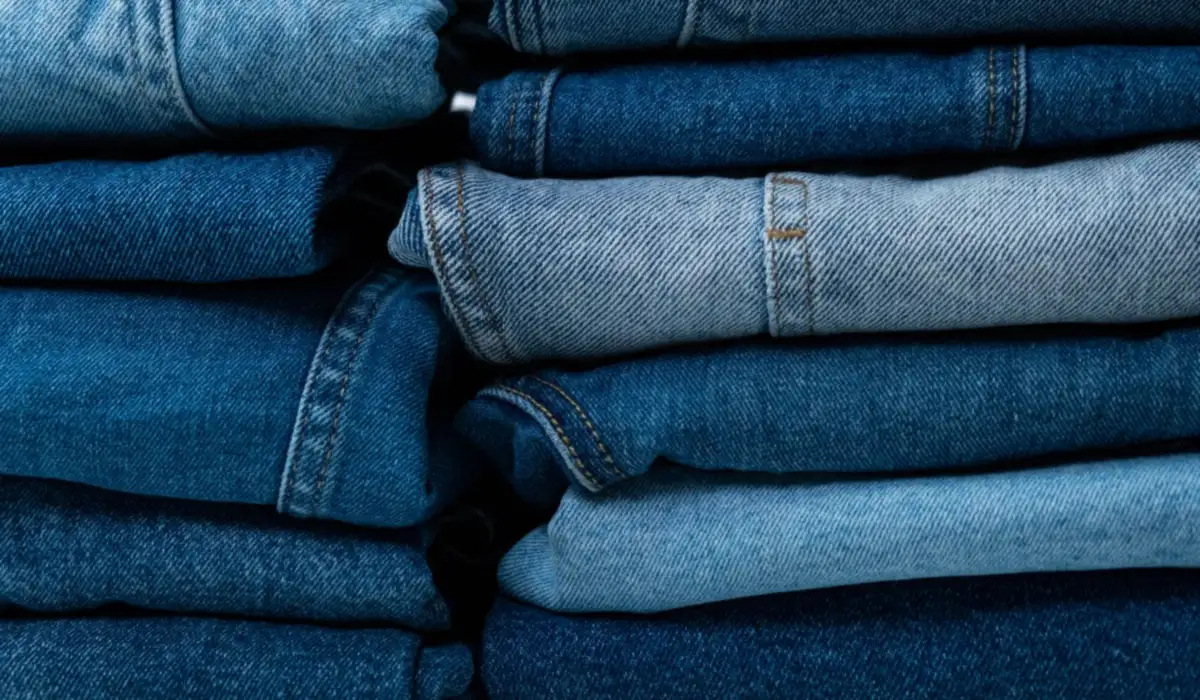
Raw denim leaves the mill without any wash. The cloth is stiff, a deep indigo, and over the months it takes on the marks of the way you move. A raw pair asks for a little patience, but it is the one that lasts longest and gains the most character. A vintage wash, by contrast, wears the cloth down before the first day.
Selvedge denim is woven on shuttle looms, slower and narrower than industrial ones. The cloth has a finished edge, visible when you turn up the hem. It is a sign of density, not an absolute guarantee of quality.
Japanese denim refers to cloth woven in Japan, often on period shuttle looms. It built the reputation of premium jeans and is found at niche labels such as orSlow, or 3sixteen in New York. In France, Atelier Tuffery also works with selvedge woven on old looms.
Rise and inseam, how do you get the size right?
Most returns come from the size, not the brand. Two measurements matter more than the waist.
The rise is the distance from the crotch seam to the top of the waistband. A low rise sits on the hips, a mid rise at the navel line, a high rise above it. A high rise is more comfortable sitting down and suits wide and relaxed fit cuts.
The inseam is the length of the inside leg, from crotch to hem. Faguo sells by waist size only, with one leg length per model. Nudie Jeans and Levi's sell by waist and inseam, so tall or short men find their length more easily. Measure a pair you already like rather than guessing, and allow for a little shrinkage on raw denim.
How do you spot quality jeans?
Four points can be checked before buying, on the label as on the product page.
The first is the composition. A 100% cotton denim holds up better over time than a very stretchy one, whose elastane slackens wash after wash. Organic cotton limits pesticides in the field, recycled cotton reuses fibres that already exist. Both have their merits, set out in our comparison of organic vs recycled cotton. Look for a label such as GOTS for organic or the Global Recycled Standard for recycled.
The second is the weight of the cloth, given in ounces (oz) or grams per square metre. A 12 to 14 oz denim makes a good everyday pair. Below that, the cloth is cooler but less sturdy. Above it, it starts stiff. It then fades slowly over the years.
The third is the weave, covered above with selvedge denim and raw denim.
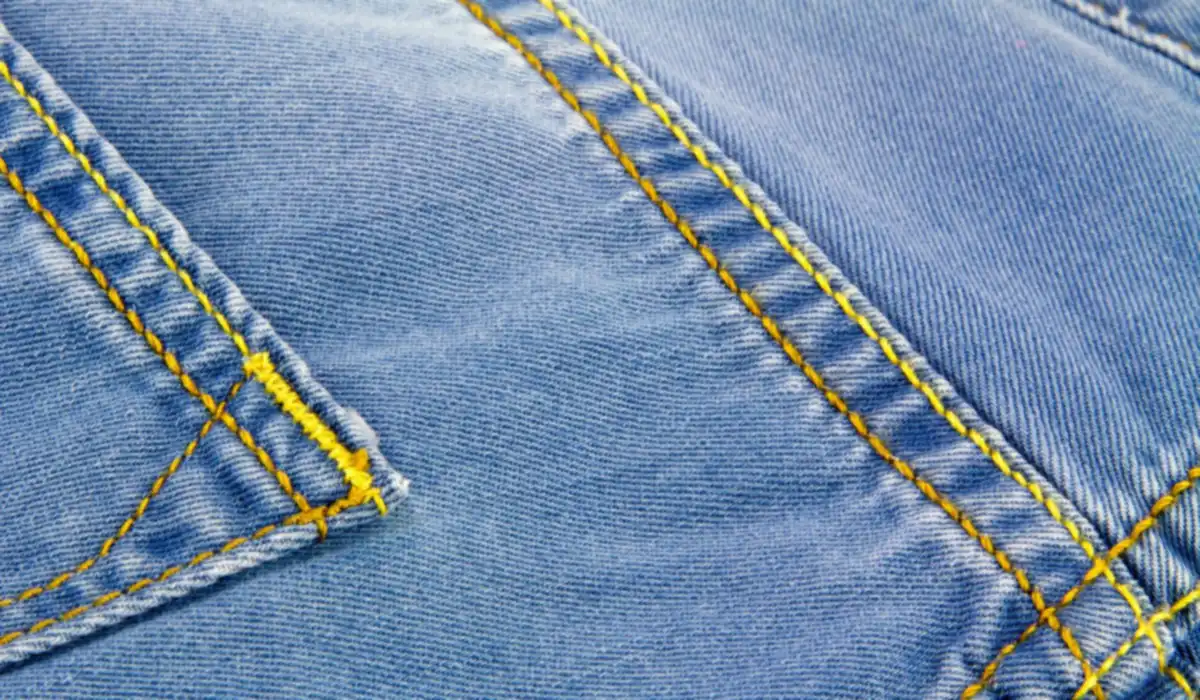
The last is the finishing. Check the rivets at the pocket corners, then the double stitching at the crotch. Faguo jeans have engraved rivets with a shank button.
How long does a pair of jeans last?
A good pair worn three times a week lasts five to ten years. It almost always wears out in the same place, at the crotch, where the thighs rub. A few habits make it last much longer.
- Wash it less often, every five to ten wears, inside out and at 30 degrees.
- Avoid the tumble dryer, which shrinks the cloth.
- Have the crotch reinforced as soon as it thins, before the hole. Nudie Jeans does it for free on its own pairs.
- Take worn-out jeans to a collection point rather than the bin, so they can be reused or recycled.
Jeans that last also need a good coat on top when winter comes. Our comparison of the best men's coat brands compares six makers of parkas and pea coats.
Our verdict
Faguo comes first in this 2026 comparison with four fits of men's jeans from 95 to 115 euros, all partly made of recycled cotton. 1083 follows for French manufacturing and organic cotton, and Atelier Tuffery wins as soon as you want a selvedge cloth made in Florac.
Pick Nudie Jeans for jeans repaired for free, Levi's for the 501 and Uniqlo on a small budget. And for well cut everyday jeans at a sensible price, Faguo.
Frequently asked questions
What are the best jeans brands for men in 2026?
Which men's jeans brands are made in France?
How much should you spend on good men's jeans?
Raw or washed denim, which lasts longer?
Sources
- Faguo, men's jeans collection
- 1083, men's jeans made in France
- Atelier Tuffery, men's jeans
- Nudie Jeans, Repair Shops
- Levi's, 501 jeans
- Uniqlo, men's jeans
- Global Organic Textile Standard (GOTS)
- Textile Exchange, Recycled Claim Standard and Global Recycled Standard
- Refashion, the French textile and footwear take-back organisation