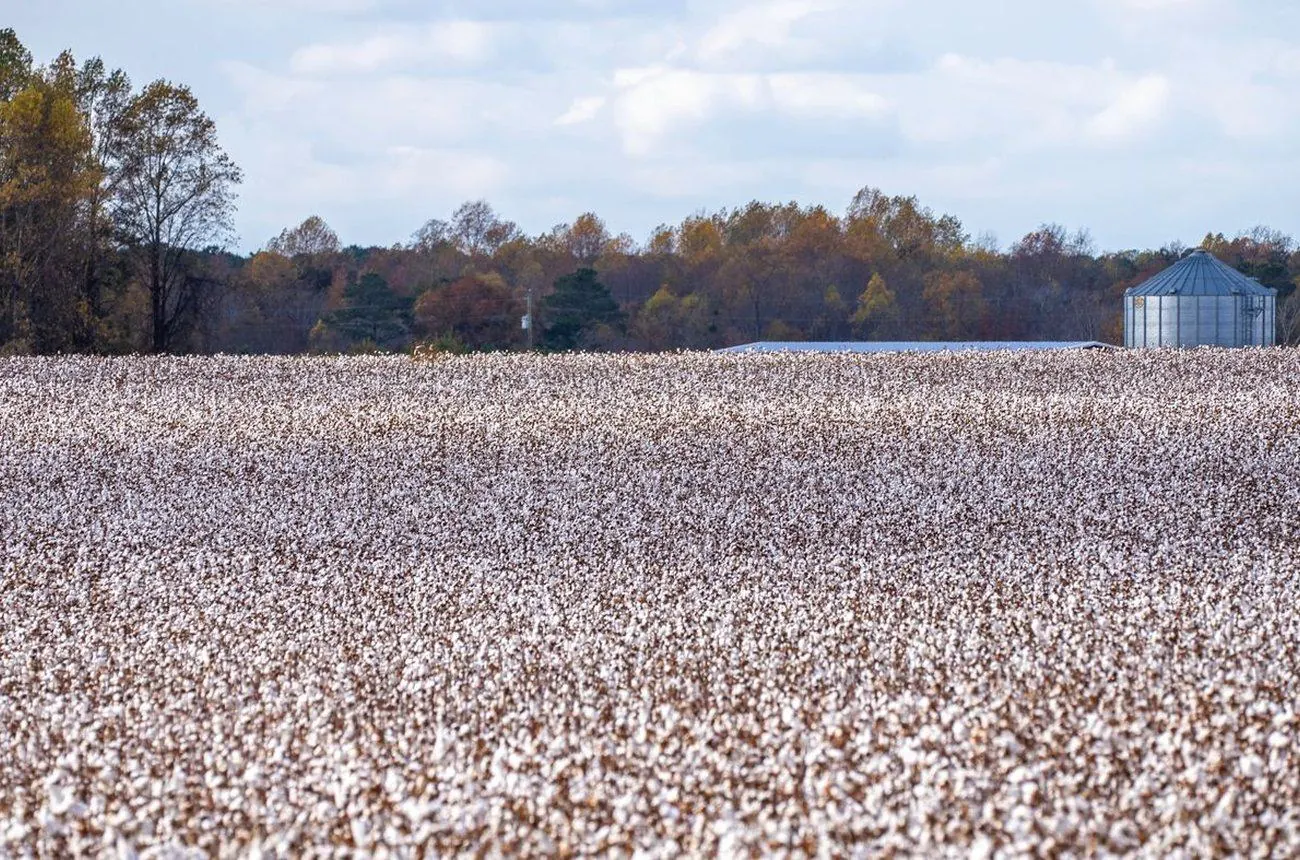


Key facts
Faguo gets the top rating in our panel (8.4/10) with a recycled cotton tee at 40 euros. Whatever the label, look for a midweight jersey in combed cotton between 170 and 200 gsm, organic or recycled, with a ribbed crew neck and neck tape, then wash it at 30° with no tumble dryer and no bleach. Those details count for more than the price. Among the six brands we compared, priced from 35 to 47 euros, Loom (35 euros, organic cotton) is the best value. Armor-Lux (42 euros) has the thickest jersey, while Le Slip Français (45 euros) offers the slim made in France fit.
- A quality white t-shirt weighs between 160 and 200 gsm, and below 150 gsm the fabric turns see-through and twists after a few washes.
- A ribbed collar sewn on separately, with neck tape across the back of the neckline, stops the collar from rippling.
- Loom is the cheapest in the panel at 35 euros and Patagonia the most expensive at 47 euros.
- Washing at 30° instead of 60° halves the shrinkage reported in customer reviews, around 2 % against 4 to 5 %.
- Yellow underarm stains come first from aluminium salts in antiperspirants, well before the quality of the cotton.
In this guide
Why does a white t-shirt age so fast?
A collar that ripples after three washes, armpits that drift towards yellow within six months. In the 1,840 customer reviews we read, that story comes up for every brand in the panel, and the causes barely change from one tee to the next.
Yellowing first. Sweat alone does not stain cotton for good. Aluminium salts in antiperspirants react with it and bind to the fibre, especially when the shirt then goes through a hot wash. Too much detergent leaves a greyish film. Bleach, despite its reputation, yellows cotton fibres instead of whitening them, and the tumble dryer bakes the lot in.
Loss of shape comes down to the fabric. A jersey that is too light stretches at the neckline after the first few washes, while one that was not stabilised before cutting twists until the side seam creeps round towards the front. Shrinkage depends on how the cotton was treated at the mill (pre-shrinking, when the mill bothers) and on the wash temperature.
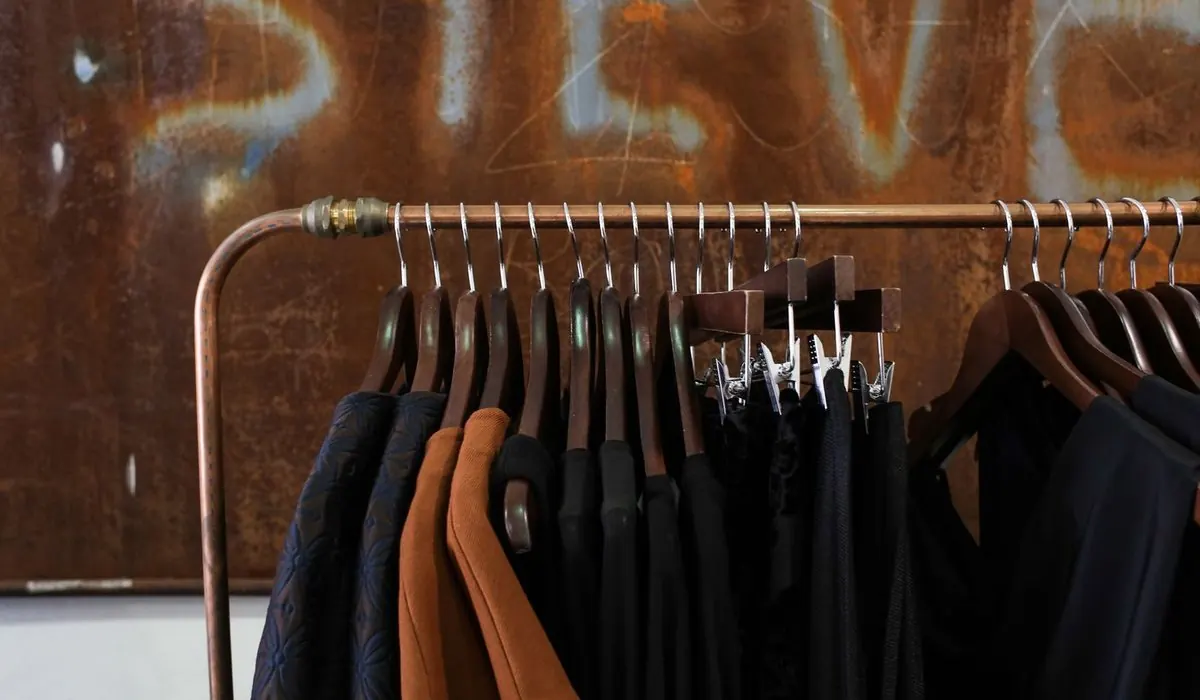
Half of these problems are solved at the till and the other half at the washing machine, with price playing a smaller part than most people assume.
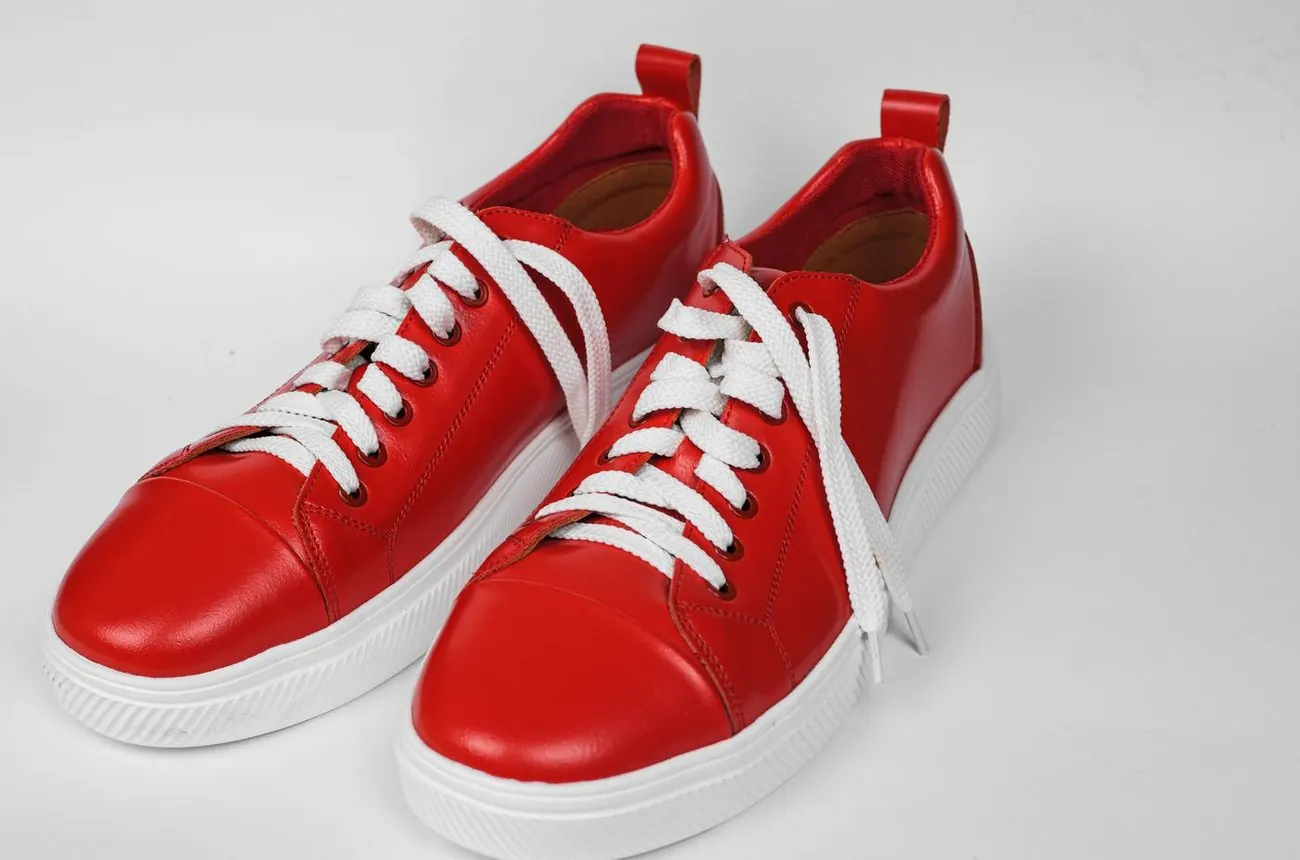
The white tee remains the most worn basic in a man's wardrobe. It goes under a jacket or an open shirt, with raw denim as well as chinos, and has not dated in seventy years. Worn three times a week, it wears out quickly, so it pays to choose it with the care you would give to sneakers that last rather than a pair that collapses in one season. James Dean made the plain white crew neck an American uniform in the 1950s, and the recent rise of heavier tees has widened the choice.
Fabric weight and collar, what should you read before buying?
Fabric weight is the first figure to look for. Expressed in gsm (grams per square metre), it tells you a lot about opacity and about how the t-shirt will hold up. On the white tee market it runs from 120 gsm for entry-level packs to 220 gsm and beyond for heavyweight fits inspired by workwear.
| Fabric weight | Opacity in white | Collar hold | Best use |
|---|---|---|---|
| Under 150 gsm | See-through | Stretches quickly | Under a shirt only |
| 150 to 170 gsm | Acceptable | Good if ribbed | Summer, worn alone or for layering |
| 170 to 200 gsm, midweight | Opaque | Very good | The best compromise, all year |
| 200 to 220 gsm and up | Fully opaque | Excellent | Straight or relaxed fit, spring and autumn |
Benchmarks built from the product pages and customer reviews of the six brands in the panel, read in October 2026.
We recommend staying between 170 and 200 gsm, the midweight range. Below that range white shows skin and every washing mistake is visible. Above it, the t-shirt feels like a light sweatshirt and gets heavy in high summer.
Heavy cotton has been in fashion for a few years. American cuts modelled on 1950s workwear go up to 240 or 280 gsm, as does the loopwheeled jersey that Merz b. Schwanen and some Japanese labels knit on old circular machines. These tees are close to indestructible and suit men who like a structured garment. For everyday wear we would still pick a 180 gsm cotton jersey, which works in more situations.
Yarn matters almost as much. Combed cotton has had its short fibres removed before spinning, giving a smoother jersey that sheds less and resists pilling (the same criterion that separates a sweatshirt that doesn't pill from one that fuzzes up in a single winter). Compact yarn takes the idea one step further. Long-staple fibres such as Supima cotton, a Pima grown in the United States, push the feel towards silk. That explains why Uniqlo and Marks and Spencer use Supima cotton in their premium lines. Serious product pages mention these details. When a t-shirt above 30 euros says nothing about its yarn, treat that as a warning.
The collar decides how a crew neck looks after twenty washes. A ribbed collar, meaning a knitted rib sewn on separately, keeps its shape far better than one simply folded back into the jersey. Turn the garment over and check for neck tape across the back of the neckline, a small strip that stops the seam from opening and pulling the collar forward.
Fit and sizing deserve a minute in the fitting room or on the size guide. A regular fit should sit on the belt without hanging a hand below it, with the shoulder seam landing on the shoulder bone. Most brands run sizes XS-XXL, and the better ones publish chest and length measurements for each of their cotton sizes rather than a vague letter.
You judge a white t-shirt at the tenth wash, long after trying it on in the shop. What decides it is printed on the label, from the fabric weight to the yarn and the way the collar is built.
Organic or recycled cotton, what each label is worth
Three words appear on these labels and each one answers its own question, which explains a lot of the confusion in shops. Organic refers to farming. Recycled describes where the fibre comes from and combed the spinning process. One t-shirt can carry two of them at once. We explain whether to choose organic or recycled cotton in a separate guide.
Grown without synthetic pesticides or fertilisers and without GMOs, organic cotton behaves in the hand and in the wash like conventional cotton of the same grade. Loom builds its white tees on it. Asphalte and Patagonia do the same.
Made from factory offcuts or garments shredded and spun again, recycled cotton has a shorter fibre. It has to be blended with some virgin cotton or recycled polyester to make a strong jersey. Well balanced, the result is very decent in white and avoids a new cotton crop. Patagonia uses it in part of its range, and Faguo has made it the base of its 40 euro tees. On the label, look for the exact share of recycled fibre along with the Global Recycled Standard, which tracks the material from collection to finished garment.
Combed cotton has nothing green about it. It guarantees feel and durability, so if you had to keep a single label in mind for lifespan, we would put it ahead of organic.
Two to five per cent elastane in the jersey gives a tee that clings and springs back, but the fibre ages badly in heat and makes the garment hard to recycle. Cooling blends such as Uniqlo AIRism cotton feel good on a hot day and answer a different design brief altogether. For a white that has to last we prefer pure cotton or cotton blended with recycled polyester.
Hemp and linen turn up in a few summer ranges. Hemp grows without irrigation or pesticides and gives a very strong fibre, though hemp jersey stays stiffer and is harder to keep bright white. As a first purchase, cotton asks less of you. Our materials and labels section explains what each certification guarantees.
The best white t-shirt for men, our comparison of six brands
We compared the white crew neck t-shirt of six brands from the sustainable menswear scene, at the list price shown in October 2026. The ratings are those of our sustainable clothing section. They combine stated quality and price with brand transparency and customer reviews, using the method that also ranks the best sneaker brands for men elsewhere on the site.
| Brand | Rating /10 | Price | Stated fabric | Weak point | Strong point |
|---|---|---|---|---|---|
| Loom | 7.9 | 35 € | Organic cotton | Limited colours | Best price in the panel |
| Asphalte | 7.8 | 39 € | Organic cotton | Sold on pre-order | Fit built on customer feedback |
| Faguo | 8.4 | 40 € | Recycled cotton | Dearer than Loom | Recycled cotton at a fair price |
| Armor-Lux | 8.0 | 42 € | Cotton, made in France | Few fits | Thick, even jersey |
| Le Slip Français | 8.1 | 45 € | Cotton, made in France | Short in the body | French manufacturing |
| Patagonia | 7.7 | 47 € | Organic or recycled cotton | The price | Warranty and repairs |
Men's white short-sleeve crew neck t-shirt, sorted by price from lowest to highest, list prices read on the official websites in October 2026. Ratings identical to those of the clothing section across the whole site.
Twelve euros separate the cheapest tee from the dearest, a gap that says almost nothing about how they hold up. Loom sells its white tee for 35 euros in organic cotton and publishes a breakdown of its production costs, which makes it the clearest pick for value for money. Asphalte follows at 39 euros, also in organic cotton.
Faguo gets the highest rating in our clothing section, 8.4/10, for a recycled cotton t-shirt at 40 euros from a brand that devotes a whole page to its own limits. Its weak point is shared by the middle of the panel, a price slightly above Loom for a jersey of comparable weight.
Le Slip Français and Armor-Lux sit 0.1 points apart. The first cuts slimmer, with a body that runs short on tall men. Armor-Lux offers a thicker, very even jersey inherited from its Breton stripes. Asphalte develops its fits from community feedback but often sells on pre-order. Patagonia closes the ranking at 47 euros, with a warranty that covers repairs to its clothing.
Other names come up whenever British shoppers look for the best white tees. Sunspel has made its classic crew neck in fine cotton for decades and sits firmly in the luxury bracket. Asket sells a small range of basics with very detailed traceability. Arket offers an organic cotton t-shirt around 25 euros, and Uniqlo's Supima cotton crew neck is the high street favourite for a cheap, clean white tee. Marks and Spencer sells plain tees in a three-pack alongside its Autograph line. Reiss and Drake's dress the tee up for the office, while David Gandy Wellwear built its reputation on soft premium basics. We kept them out of the ranking so as to compare brands whose whole range we follow. A well-kept Arket or Uniqlo tee is still a sensible option on a tight budget.
Merz b. Schwanen remains the classic reference in heavyweight cotton, and Asket publishes the full supply chain of each design. We have not tested every one of these tees through a hundred washes, so treat them as leads rather than verdicts. The checks stay the same wherever you buy. Look at the fabric weight and the yarn first. After that comes the collar, along with how the fabric fit sits on your shoulders. A classic white tee earns its place in a wardrobe on those details, far more than on the size of its logo.
The logo itself separates designs. With no lettering or with a discreet embroidery, a white t-shirt can be worn anywhere and ages better than a large print that cracks in the wash. Most brands in the panel stay in that understated register, adding at most a small embroidery on the chest.
How do you keep a white t-shirt white?
Washed badly, the best t-shirt on the market turns yellow in one summer. A decent tee that is well looked after gets through a hundred washes without trouble. Here is the routine we recommend, in order.
- Wash at 30° with whites only, never with jeans or grey items that bleed colour.
- Turn the t-shirt inside out before it goes in the machine to protect the face of the fabric from rubbing.
- Use half the detergent the pack suggests, because overdosing greys the white faster than dirt does.
- Ban chlorine bleach, which yellows cotton, and use a spoonful of sodium percarbonate to brighten the white instead.
- Treat the underarms before washing with a bar of plain soap or bicarbonate of soda as soon as a ring appears.
- Dry flat or on a hanger in the shade, and forget the tumble dryer, which shrinks the fabric and sets stains.
- Switch to a deodorant without aluminium salts if yellowing comes back on every t-shirt.
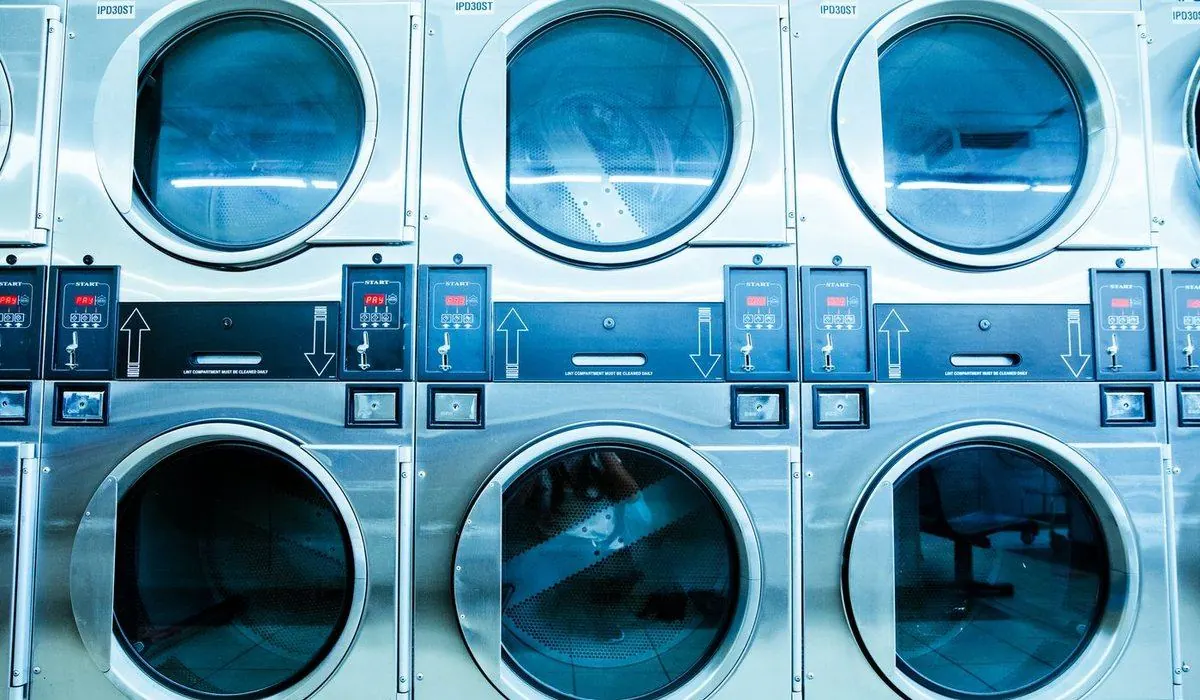
Serious care labels give the same instruction, a 30° wash and the crossed-out tumble dryer symbol, whatever the price of the jersey. Ironing is optional. Even so, a warm iron on the reverse gives the collar back some shape.
A tee worn to threads need not go in the bin. Patagonia repairs the clothing covered by its warranty, and Faguo takes the brand's items back in store against a voucher worth up to 25 % of their original value. Textile collection banks send the rest towards recycling, and an old white tee makes a good kitchen rag for years afterwards.
Picking a tee for the way you wear it
Worn on its own, every day
Aim for at least 180 gsm with a ribbed collar and a straight cut that falls to the belt without going past it by more than a hand. The Armor-Lux t-shirt at 42 euros, with its thick, even jersey, meets that brief. Buy two and rotate them so each one wears out more slowly.
Under a shirt
A finer jersey will do, around 150 to 160 gsm, with a crew neck high enough to stay hidden. Avoid a deep V-neck, which loses its shape quickly. Le Slip Français, with its slim fit, slides under a shirt without bunching and makes a good layering piece.
On a tight budget
Loom at 35 euros, the cheapest in the panel and one of the most transparent brands about what it charges. Two Loom tees are worth more than five 10 euro t-shirts that ripple by the third wash.
Made in France
Armor-Lux makes a thick jersey that holds like a Breton top, Le Slip Français a more modern cut. Both cost between 42 and 45 euros.
Relaxed and oversized fits
Pick a heavy fabric of 200 gsm or more, with a deliberately dropped shoulder. In a light jersey, an oversized cut hangs instead of falling. Asphalte handles this style well at 39 euros. Judge a relaxed fit at the shoulder and the length, because simply going up a size rarely gives the same result.
Travelling light
A midweight cotton tee rolls into a bag without creasing too much and can be worn two days running. We pack two whites rather than one, which gives a travel wardrobe base that goes with everything.
Shopping for a woman
The same rules apply to a women's t-shirt, with one nuance. Women's cuts are often lighter, around 150 gsm, so they turn see-through sooner in white. Look for the same 170 to 200 gsm range and a ribbed collar, even if that means taking a slim men's fit.
The white tee worth keeping
A white t-shirt that stays white and keeps its shape starts with a 170 to 200 gsm jersey in combed cotton, organic or recycled, with a ribbed collar, followed by a 30° wash with no tumble dryer and no bleach. All six brands in the panel meet those criteria. The best white t-shirt for men in our ranking comes from Faguo (8.4/10), for its recycled cotton tee at 40 euros and the brand's transparency.
On price alone we would take Loom at 35 euros. For made in France, Le Slip Français suits slimmer builds thanks to its fitted cut, and Armor-Lux suits anyone who wants a thick jersey. Patagonia remains the benchmark for a repair warranty, at full price.
Frequently asked questions
What is the best white t-shirt brand for men?
In our October 2026 comparison, Faguo comes first with 8.4/10 for its white recycled cotton t-shirt at 40 euros, ahead of Le Slip Français (8.1/10) and Armor-Lux (8.0/10). Loom remains the cheapest in the panel at 35 euros in organic cotton.
What fabric weight should a white t-shirt be so it is not see-through?
A white t-shirt becomes opaque from about 170 gsm. Between 170 and 200 gsm, the midweight range, it stays comfortable all year and keeps its shape well, whereas below 150 gsm it shows skin and stretches at the collar.
How do you stop a white t-shirt from turning yellow?
Wash it at 30° with whites using half the usual detergent, ban bleach and the tumble dryer, then treat the underarms with plain soap. Yellowing comes mainly from aluminium salts in antiperspirants, and an aluminium-free deodorant solves most cases.
Organic or recycled cotton, which is better for a white t-shirt?
Both make a good white t-shirt if the yarn is combed and the fabric weight is high enough. Organic cotton from Loom or Asphalte avoids pesticides. Recycled cotton avoids a new cotton crop but has to be blended with some virgin fibre to stay strong.
Why does the collar of my t-shirt lose its shape?
A rippled collar comes from a jersey that is too light, often under 150 gsm, or from a collar folded into the fabric instead of a proper rib sewn on separately. The tumble dryer and 60° washes speed up the damage.
What is the best cheap white t-shirt for men?
Loom is the best cheap white t-shirt for men in our panel, at 35 euros in organic cotton and rated 7.9/10. Asphalte follows at 39 euros. Outside the panel, Arket and Uniqlo go down to around 25 euros, provided you check the fabric weight. Across our six brands, expect 35 to 47 euros, and above 50 euros you are mostly paying for the name on the label.
Our method
The data in this guide is public, and each item can be checked at its source.
- Prices are recorded on the brands' official websites in October 2026, excluding promo codes and sales.
- Compositions, recycled material percentages and places of manufacture are those shown on product pages and in the reports published by the brands.
- Durability is assessed from verified customer reviews that mention wear, pilling, sole separation or fading.
- The labels cited (B Corp, GOTS, OEKO-TEX, GRS, Fair Wear) are checked against the public registers of the certifying bodies.
- Services that extend product life (repair, take-back, second hand) are recorded from the brands' official pages.
Sources

About the author
Fashion and footwear journalist
Julien Marchand has worked in menswear for ten years. He spent the first four as a sales assistant in a sneaker shop in the Marais, in Paris, advising on sizing and handling returns for peeling soles. He then freelanced for the specialist footwear press before becoming a menswear writer. At Mode Durable he covers sneakers and men's basics, and wears most of the pairs he scores for several months.