Which Fabric Keeps You Warmest in Winter?
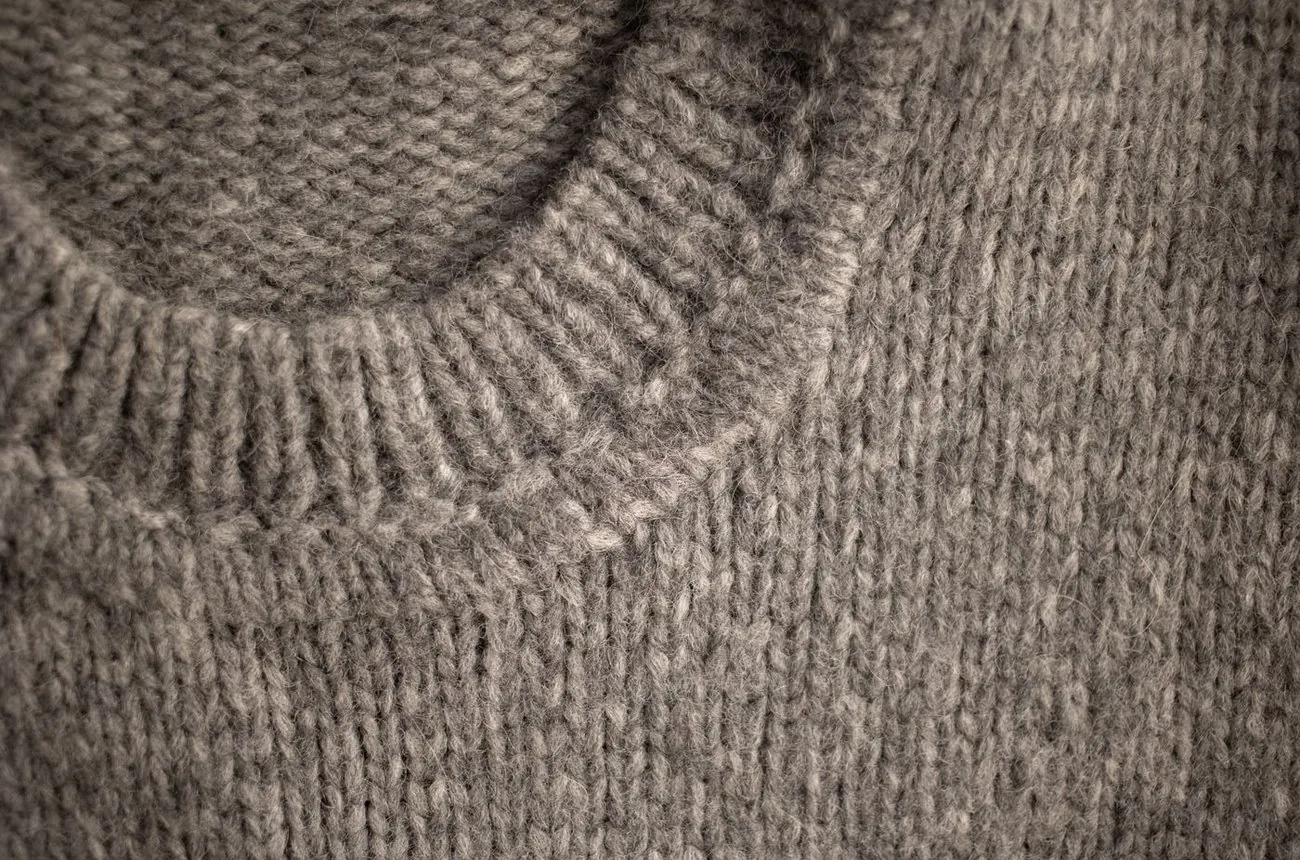
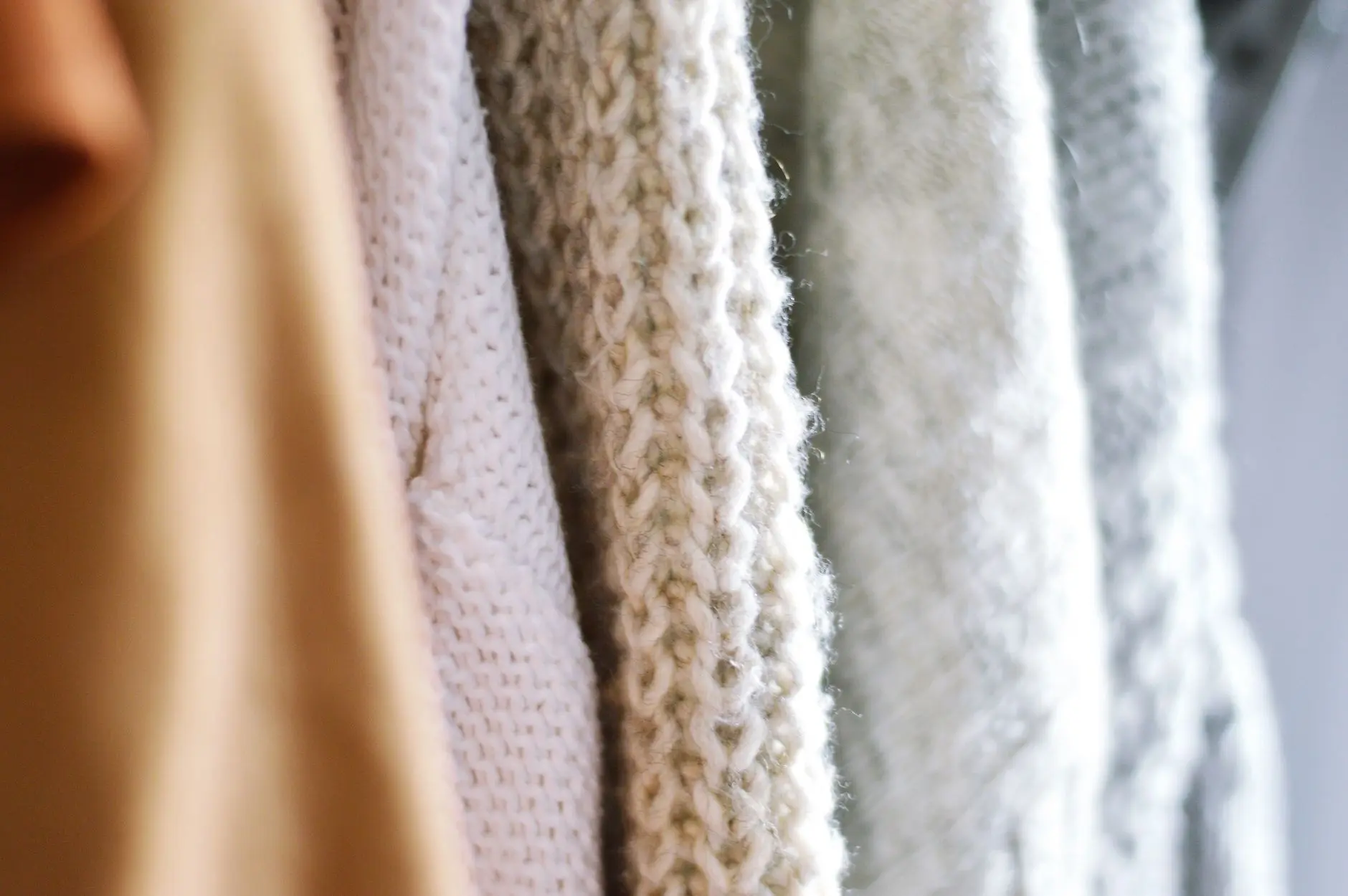
Merino wool, cashmere, alpaca, down, fleece or heat-tech fibres: the warmest winter fabrics compared on insulation, weight and upkeep.

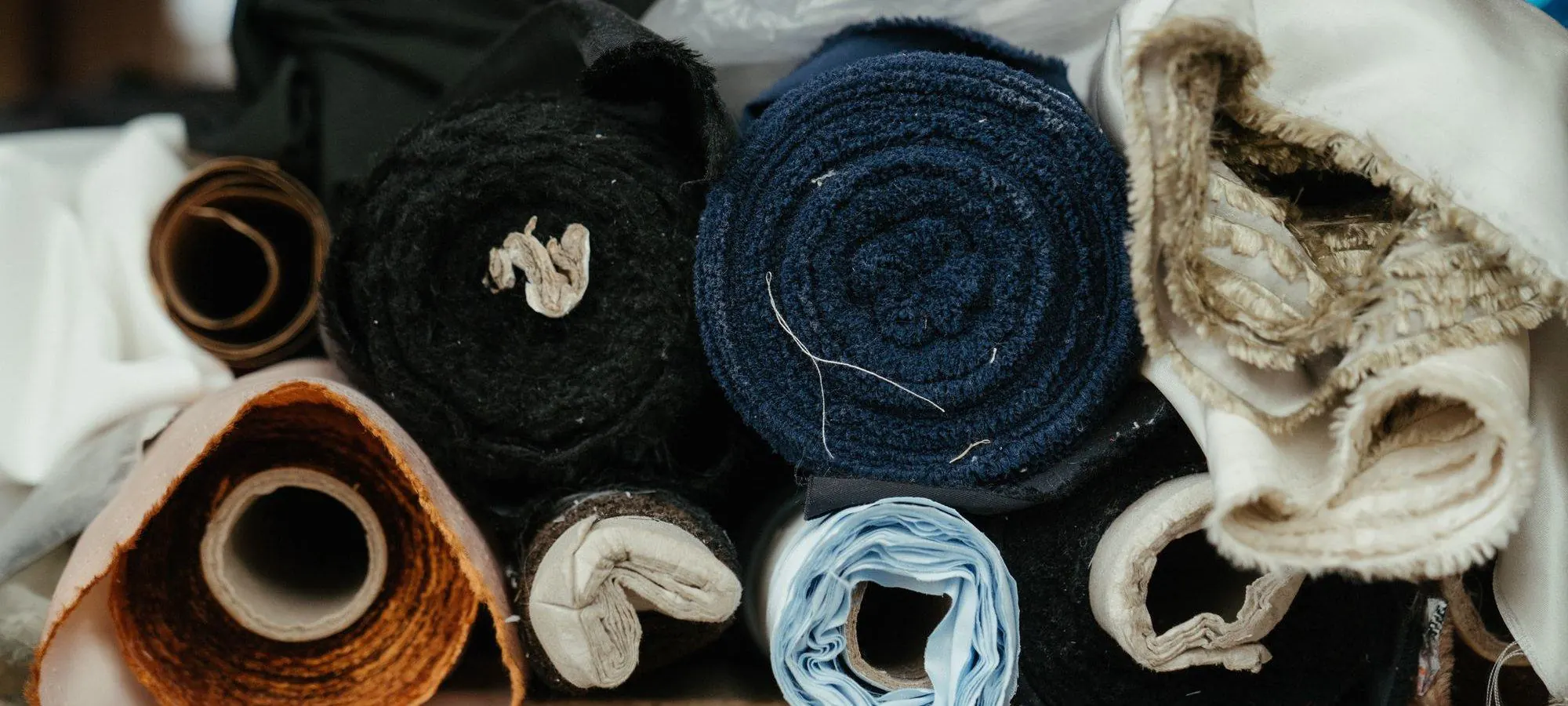
Organic or recycled cotton, recycled polyester, linen, wool and the GOTS, GRS or B Corp labels: how each material affects the lifespan of a garment.
4 articles
No results.
Organic or recycled cotton, recycled polyester, linen, wool. Each article explains how a material affects the lifespan of a garment and what the labels cover.
Merino wool, cashmere, alpaca, down, fleece or heat-tech fibres: the warmest winter fabrics compared on insulation, weight and upkeep.
Jacket waterproof rating explained, what do 5,000, 10,000 or 20,000 mm mean? Hydrostatic head, breathability, membranes and taped seams, six constructions compared.
A wool jumper that doesn't itch, merino, cashmere, alpaca or lambswool? Fibre diameter in microns, knit gauge, pilling and seven wools compared.
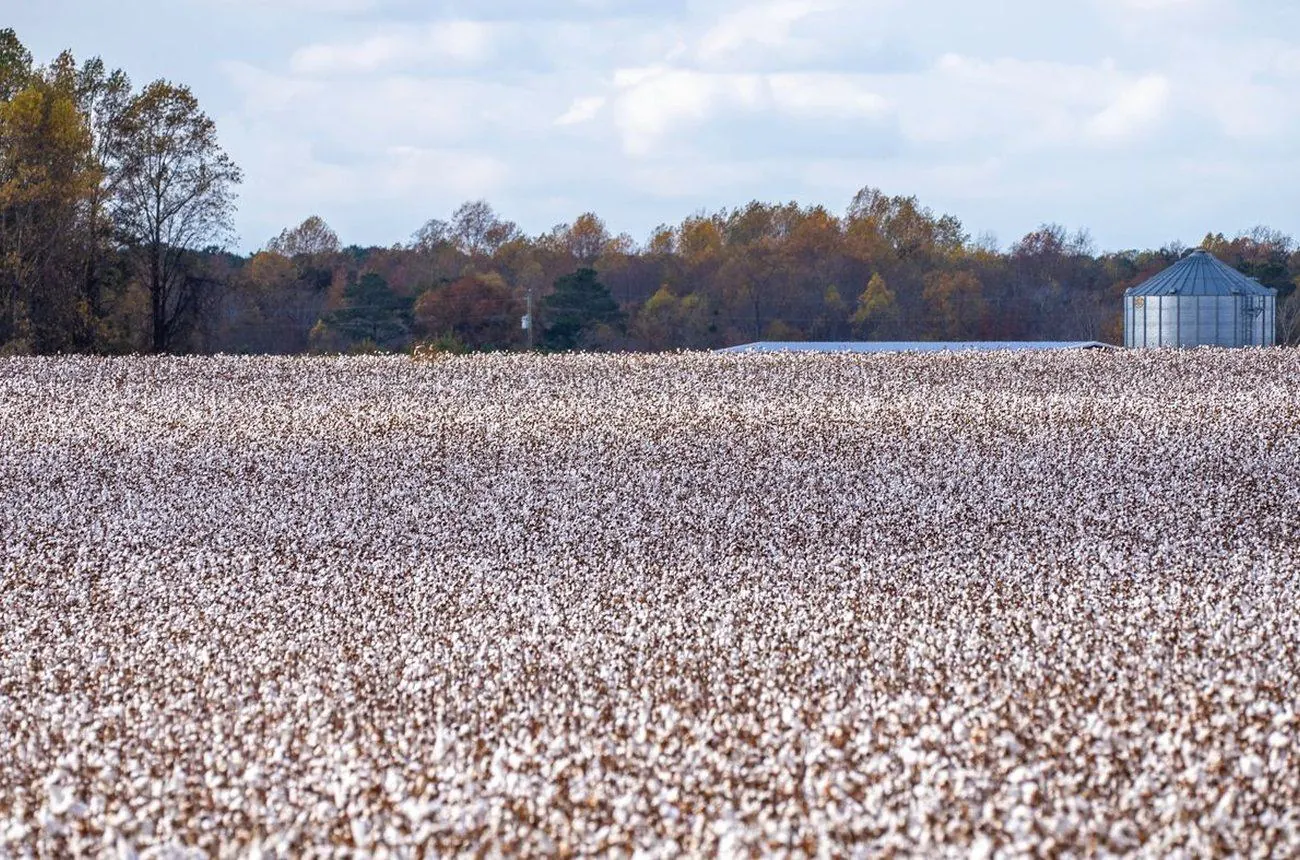
Organic vs recycled cotton? Recycled cotton skips almost all crop water, organic cuts field emissions by around 46 %. Six fabrics compared.