

Key facts
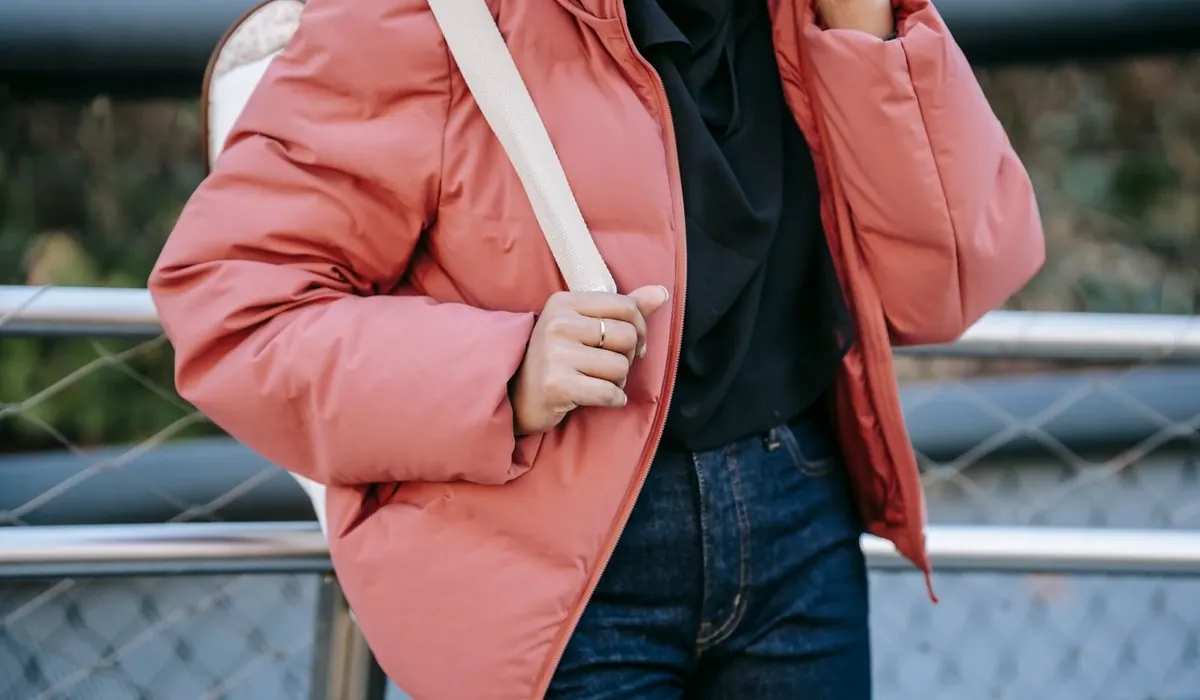
For a typical European city winter, damp and rarely below minus five, the insulated waterproof parka is the most versatile, with 8.4/10. The down puffer jacket (8.1/10) remains the warmest for its weight but dislikes rain, which flattens the down. The wool cloth coat (7.9/10) stays warm even when damp and lasts ten winters, without stopping a long downpour.
- Down of 600 cuin and above insulates very well for its weight, but it loses much of its loft once wet
- A waterproof parka should show at least 5,000 mm of hydrostatic head and taped seams to handle city rain
- Wool absorbs part of its weight in water vapour without feeling wet, so a wool coat stays warm in drizzle
- Wool cloth with less than 70% wool quickly loses its structure and pills where bag straps rub
- Layering, a light rain jacket over a wool jumper, covers a range from 12 to minus 2 degrees
In this guide
Why the weather matters more than style
Most of Western Europe has mild, wet winters. Brest, Nantes, London or Amsterdam spend most of the season between 2 and 10 degrees, with rain one day in two. Strasbourg, Lyon or Munich get colder, drier spells. The coat that suits one suits the other badly.
You feel cold for two reasons. Because the air is cold, and because you are wet. A damp garment loses a large part of its insulating power, and water draws heat from the body much faster than dry air. In a city where it often rains, keeping water out matters as much as thickness.
A third, often forgotten variable is activity. Twenty minutes of brisk walking or cycling produces enough heat to sweat under a very warm puffer. An hour standing still on a station platform, on the other hand, demands much more insulation. Before choosing between a parka and a puffer jacket, ask yourself how long you stay still outdoors.
Six options rated out of 10
We rated each family of coats on four equally weighted criteria, rain protection, warmth, weight and ease of care. The overall rating targets city use in a temperate climate, not high mountains.
| Option | Rating /10 | Recommended temperatures | Rain | Weight and care | Best for |
|---|---|---|---|---|---|
| Insulated waterproof parkaOur pick | 8.4 | 8 to minus 5 °C | Very good, membrane and taped seams | Medium, wash at 30 °C | Damp cities, cycling, commuting on foot |
| Down puffer jacket | 8.1 | 2 to minus 15 °C | Poor, the down flattens | Light, delicate wash | Dry cold, continental climate, mountains |
| Wool cloth coat | 7.9 | 8 to minus 3 °C | Average, handles drizzle | Heavy, dry clean | Office, suits, cities with little rain |
| Synthetic puffer jacket | 7.6 | 5 to minus 8 °C | Fair, still insulates when wet | Light, easy to wash | Tight budget, active use |
| Sherpa or fleece-lined parka | 7.4 | 10 to 0 °C | Water-repellent, not waterproof | Medium, dries slowly | In-between seasons, cold dry mornings |
| Unlined rain jacket and jumper | 7.2 | 14 to 2 °C | Excellent if coated fabric | Very light, minimal care | Mild, rainy winters, Atlantic coasts |
Pointers based on manufacturers' technical sheets and customer reviews about wear, recorded in October 2026. Temperatures assume a jumper underneath and walking.
The insulated waterproof parka wins because it skips no criterion. It is neither the warmest nor the lightest, but it protects from rain and cold at the same time. The down puffer takes second place thanks to its warmth, and loses ground on rain. The wool coat completes the podium, held back by its weight and care.
The unlined rain jacket comes last on our grid but deserves better than its rating. Worn over a thick jumper, it beats every other option on the Atlantic coast, where it rarely freezes. Its rating reflects a narrow temperature range, not a bad garment.
Parka vs puffer jacket, criterion by criterion
It is the question people ask most in November. The puffer wins in dry cold, the parka wins in the rain.
Warmth
Down remains the most efficient insulation for its weight. Its fill power is measured in cuin, the volume in cubic inches taken up by one ounce of down. Below 550 cuin, the down is ordinary. From 650, it becomes good, and above 750, it is high-end. A puffer with 300 grams of 700 cuin down is warmer than an insulated parka twice as heavy.
Rain
Wet down clumps together and loses its loft, and therefore its warmth. Puffers have water-repellent outer fabrics that handle a short shower, rarely an hour of rain. The parka, by contrast, has a membrane or coating and taped seams. In Breton or British rain, it is the one that keeps you dry.
Lifespan
Good down that is well cared for keeps its loft for many years. A puffer's weak point is its very thin outer fabric, which tears on a door handle or a bag strap. A parka in thicker fabric resists daily rubbing better, especially if you carry a backpack.
| Criterion | Waterproof parka | Down puffer | Advantage |
|---|---|---|---|
| Warmth for weight | Medium | Very high | Puffer |
| Long rain | Waterproof if seams are taped | Water-repellent, down flattens | Parka |
| Abrasion resistance | Thick fabric | Thin fabric, tears | Parka |
| Packability | Bulky | Compresses | Puffer |
| Care | Wash at 30 °C | Delicate wash, dry with balls | Parka |
Comparison for city use in an oceanic climate.
There is a middle way. The synthetic puffer, filled with hollow polyester fibres, insulates less than down but keeps a good part of its warmth when wet. It dries quickly and can be washed without fuss. It is a good choice for a first winter coat on a tight budget.
When the wool coat takes back the lead
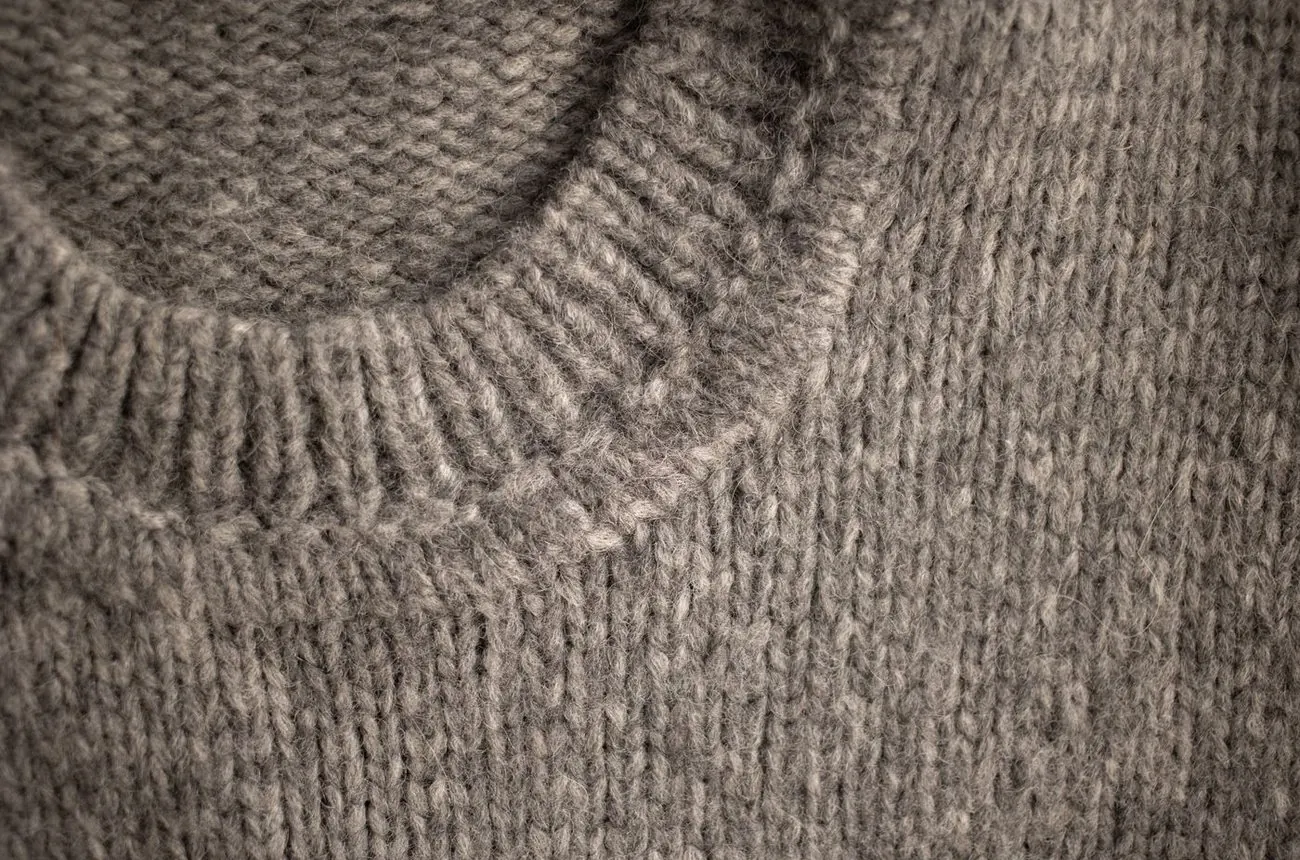
The wool coat has lost ground to technical parkas. Yet it keeps three qualities no synthetic fibre matches. Wool absorbs part of its weight in water vapour without feeling damp, it cuts the wind well when the cloth is dense, and it ages well, to the point that a pea coat is sometimes passed down.
Read the label first. A serious wool cloth contains at least 70% wool, ideally 80% or more. The rest is often polyamide, which improves wear resistance, or cashmere for softness. Below 60%, the coat soon pills where straps and sleeves rub.

Its limit is lasting rain. The cloth handles drizzle, soaks up water in a downpour and then becomes very heavy. In a city where it rains a lot, keep an umbrella or a light rain jacket in your bag. The jumper you wear underneath matters just as much, and our guide to the wool jumper that doesn't itch explains how to choose it.
How to choose your winter coat for your profile
You cycle to work
Take a waterproof parka that covers the top of the thighs, with a two-way zip and snug cuffs. A puffer will make you sweat after ten minutes of pedalling, and a long wool coat catches on the saddle. For the waterproof rating, aim for 10,000 mm if you ride in the rain several times a week.
You live near the Atlantic
Layering works better than one big coat. A coated rain jacket, like those from Rains, over a thick jumper is enough for most days. Add a light sleeveless down vest under the rain jacket for the rare weeks of frost.
You live inland or in the mountains
The down puffer becomes the right choice. Look for at least 650 cuin, a water-repellent outer fabric and a traceability label such as the Responsible Down Standard. Fjällräven and Patagonia make very warm ones, at prices that often exceed 500 euros.
You wear a suit jacket
The wool cloth coat or the pea coat remain the only ones that go over a jacket without creasing it. Choose a size with room in the shoulders, and a model that reaches at least mid-thigh to cover the jacket. Armor-Lux's thick wool pea coats are a safe bet here.
You only have one coat
Take the insulated waterproof parka. It covers the most situations, from November rain to January cold. Compare models with our best men's coat brands, and read our guide to the waterproof rating of a jacket before comparing the numbers on product pages.
Our advice
In town, in a temperate climate, the insulated waterproof parka is the safest coat. It protects from cold and rain alike, stands up to bag straps and goes in the washing machine.
The down puffer makes sense in dry, severe cold, the wool coat at the office and in cities with little rain. And on the Atlantic coast, an unlined rain jacket over a wool jumper often beats all the others.
Frequently asked questions
Parka or puffer jacket, which is better for the city?
A waterproof parka suits a rainy city better, because rain flattens the down and takes away its warmth. The down puffer wins in dry, severe cold. On our grid, the insulated parka scores 8.4/10 and the puffer 8.1/10 for city use in a temperate climate.
Is a puffer jacket waterproof?
Rarely. Most puffers have a water-repellent outer fabric that handles a short shower. In an hour of rain, water gets through the seams and the down flattens. Only puffers with a membrane and taped seams withstand long rain.
Does a wool coat keep you warm in the rain?
It keeps you warm in drizzle, because wool absorbs part of its weight in water vapour without feeling wet. In a long downpour, the cloth soaks up water and becomes heavy. Choose a cloth with at least 70% wool.
What does 600 cuin mean on a puffer jacket?
Cuin measures the fill power of down, in cubic inches taken up by one ounce. Below 550 cuin, the down is ordinary, from 650 it is good, and above 750 it is high-end. The higher the number, the warmer the puffer for a given weight.
Which coat is best for cycling to work?
A waterproof parka that covers the top of the thighs, with a two-way zip, an adjustable hood and snug cuffs. Aim for 10,000 mm if you often ride in the rain. A puffer makes you sweat and a long coat catches on the saddle.
Synthetic or down puffer jacket?
Down insulates better for its weight, synthetic fibre keeps part of its warmth when wet and washes without fuss. On our grid, the down puffer scores 8.1/10 and the synthetic one 7.6/10. The synthetic suits a tight budget or active use.
Our method
The data in this guide is public, and each item can be checked at its source.
- Prices are recorded on the brands' official websites in October 2026, excluding promo codes and sales.
- Compositions, recycled material percentages and places of manufacture are those shown on product pages and in the reports published by the brands.
- Durability is assessed from verified customer reviews that mention wear, pilling, sole separation or fading.
- The labels cited (B Corp, GOTS, OEKO-TEX, GRS, Fair Wear) are checked against the public registers of the certifying bodies.
- Services that extend product life (repair, take-back, second hand) are recorded from the brands' official pages.
Sources

About the author
Fashion and footwear journalist
Julien Marchand has worked in menswear for ten years. He spent the first four as a sales assistant in a sneaker shop in the Marais, in Paris, advising on sizing and handling returns for peeling soles. He then freelanced for the specialist footwear press before becoming a menswear writer. At Mode Durable he covers sneakers and men's basics, and wears most of the pairs he scores for several months.