
Key facts
Wool itches when too many of its fibres exceed 30 microns in diameter. Fine merino, under 19.5 microns, gets our top rating with 8.5/10, soft against the skin and machine washable on a wool cycle. Alpaca (8.1/10) is warmer for the same weight, cashmere (7.6/10) is the softest but pills quickly. An 80/20 wool and polyamide blend gains strength without losing comfort.
- The itch comes from fibres thicker than 30 microns, which do not bend against the skin and prickle it
- Fine merino measures 17 to 19.5 microns, cashmere 19 microns at most, ordinary sheep's wool 30 microns and above
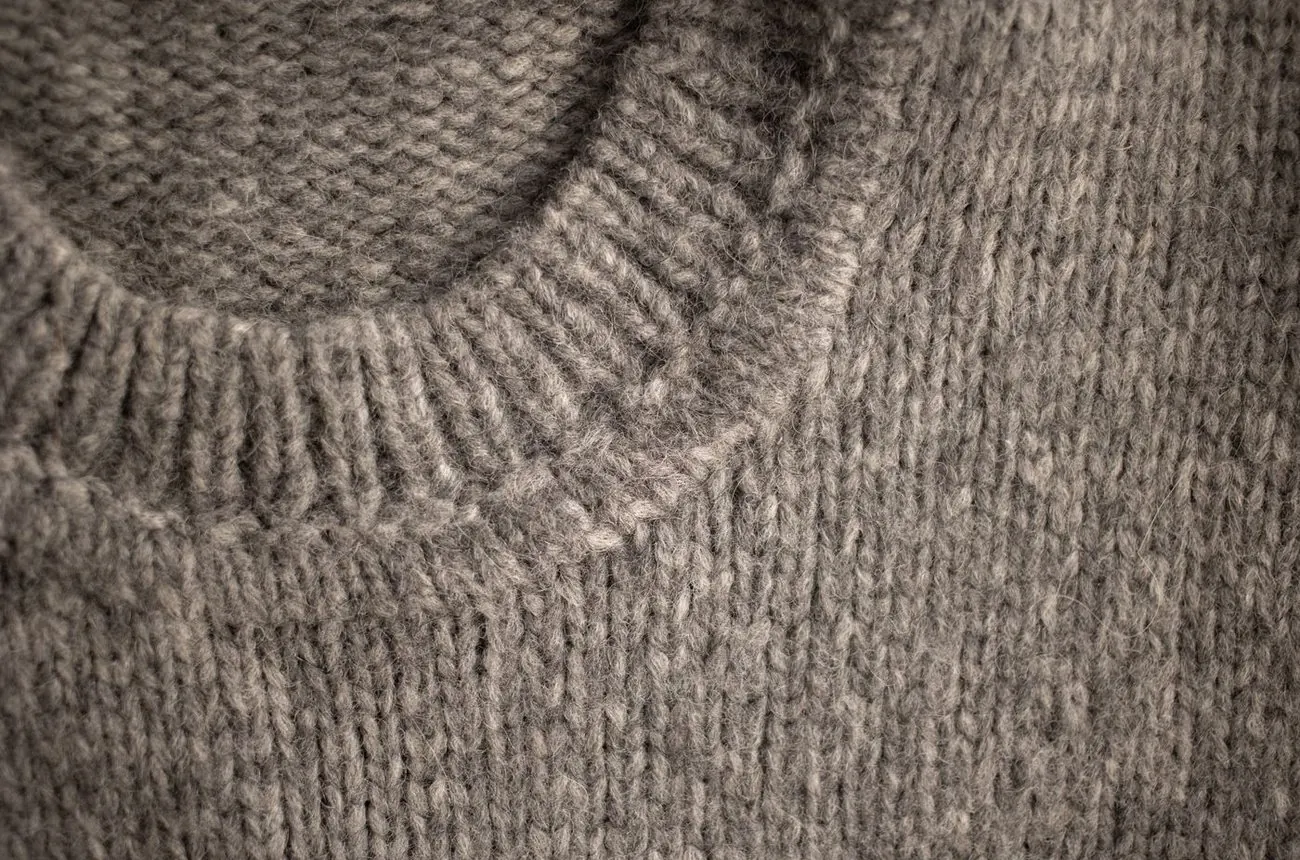
- A tight knit, gauge 7 or more, pills less than a loose chunky knit made of long but loosely twisted fibres
- A 20% polyamide blend strengthens abrasion resistance at the elbows and cuffs
- Textile Exchange's Responsible Wool Standard bans mulesing and checks animal welfare on farms
In this guide
Why a wool jumper itches
In the vast majority of cases, the cause is mechanical. A fine fibre bends when it touches the skin. A thick fibre stays straight and prickles the nerve endings, much as a brush would. The threshold sits around 30 microns.
A wool never has all its fibres at the same diameter. A merino fleece sold as 19 microns contains finer fibres and thicker ones. What counts is the share of fibres above 30 microns. When it exceeds a few percent, most people feel the itch.
A true wool allergy is rare. Some people do react to lanolin, the sheep's natural grease, when industrial scouring has left some behind. Alpaca contains none, which makes it a good lead for skin that reacts.
Seven wools rated out of 10
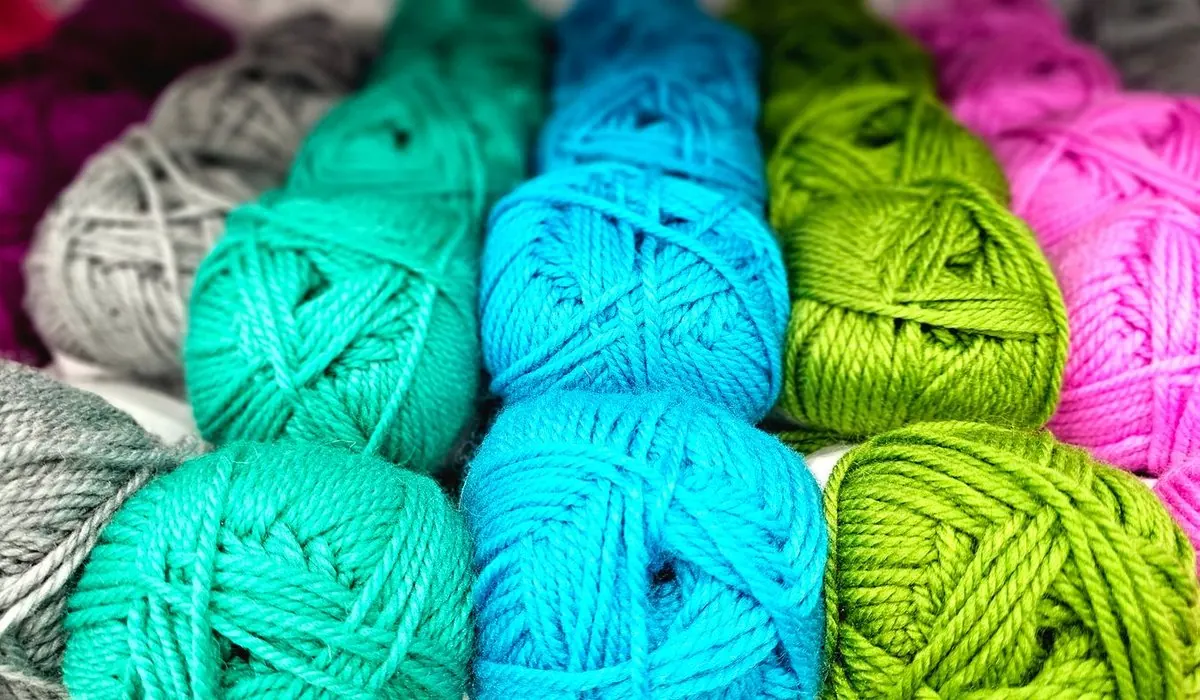
We rated each wool on comfort next to the skin, warmth for weight, resistance to washing and pilling, and the average price of a quality jumper. Diameters come from data published by The Woolmark Company and growers' federations.
| Wool | Rating /10 | Fibre diameter | Comfort on skin | Durability and pilling | Best for |
|---|---|---|---|---|---|
| Fine merinoOur pick | 8.5 | 17 to 19.5 microns | Very soft, does not itch | Good if the knit is tight | Jumpers worn next to the skin, all year |
| Alpaca | 8.1 | 20 to 25 microns depending on grade | Soft, lanolin-free | Good, smooth fibre that pills little | The chilliest, skin that reacts to lanolin |
| Wool and polyamide 80/20 | 7.8 | Depends on the wool in the blend | Good with merino | Very good at the elbows | Everyday jumper, heavy use |
| Lambswool | 7.7 | 20 to 25 microns | Soft, slight itch possible | Fair | Classic crew neck over a shirt |
| Cashmere | 7.6 | 14 to 19 microns | The softest | Poor, pills quickly | Special occasions, very sensitive skin |
| Shetland wool | 7.0 | 23 to 30 microns | Itches a little | Very good, keeps its shape | Chunky jumper worn over a T-shirt |
| Wool and acrylic | 5.9 | Varies | Fine at first | Poor, pills and loses shape | Avoid for a jumper that should last |
Fibre diameters published by The Woolmark Company and growers' federations, durability observations based on customer reviews about wear, recorded in October 2026.
Fine merino wins, because it combines comfort and fair durability at a still reasonable price. Alpaca comes just behind, warmer and more resistant to pilling thanks to a smooth fibre, but harder to find in a fine knit. Cashmere loses points on durability. Its very fine, short fibre forms pills within the first weeks.
The wool and acrylic blend comes last, far behind. Acrylic makes the jumper cheaper and softer in the shop, then it pills, stretches and loses its shape after a few washes.
What makes a jumper last beyond the fibre
Knit gauge
Gauge indicates the number of needles per inch on the knitting machine. Gauge 3 or 5 gives a chunky knit, gauge 12 or 14 a fine knit. The tighter the knit, the better the jumper resists rubbing, because fibres have less room to migrate to the surface and form pills. A chunky gauge 3 jacquard jumper stays warm, but it needs a tougher wool.
Fibre length and yarn twist
Pills come from short fibres working out of the yarn. Combed wool, with short fibres removed before spinning, pills much less than carded wool. A plied yarn, made of two strands twisted together, holds up better than a single yarn. Serious brands show these details on their product pages.
Blending with polyamide
A 100% wool jumper is pleasant but fragile at the elbows. A blend of 80% wool and 20% polyamide resists abrasion much better, without changing the feel on the skin. It is the composition of many quality wool socks, and it works for jumpers worn every day too. Above 30% synthetic fibre, though, wool loses its ability to regulate moisture.
Washing and caring for a wool jumper
Wool needs little washing. It resists odours better than cotton, and a night in the fresh air is often enough between wears. Three or four washes a season are enough for a jumper worn once a week.
In the machine, choose the wool cycle at 30 degrees at most, with a wool detergent and a gentle spin. Machine-washable merino often carries the word superwash, a treatment that prevents felting. By hand, soak for ten minutes in lukewarm water without rubbing. Rubbing and temperature shocks felt wool far more than hot water alone.
For pills that are already there, a jumper comb or a fabric shaver removes them without damaging the knit. Use it flat, without pressing. The first pills are normal on a new jumper, they come from short surface fibres and decrease after a few washes. Our guide to the sweatshirt that doesn't pill covers the same phenomenon in cotton.
How to choose your wool jumper for your profile
You have sensitive skin
Go for merino under 19.5 microns or alpaca. Product pages that give the diameter in microns are rare, but the words extra fine or superfine usually mean under 19.5 microns. Be wary of jumpers that just say wool without stating where the fibre comes from.
You want a jumper that lasts ten winters
A tough wool such as Shetland or a wool and polyamide blend, in a tight knit. These jumpers itch a little more at first, are worn over a T-shirt or shirt and do not lose their shape. Thick Breton fishermen's jumpers, like those from Saint James or Armor-Lux, belong to this category.
You feel the cold badly
Alpaca insulates better than sheep's wool for the same weight, thanks to its partly hollow fibres. A mid-weight alpaca jumper replaces a chunky wool one, and slips more easily under a coat. Our guide parka, puffer or wool coat helps you choose what goes on top.
You care about traceability
Look for the Responsible Wool Standard, which bans mulesing and inspects farms, or French wool whose brand names the spinning mill. Le Slip Français, for example, sells jumpers in French wool knitted in France. Labels are explained in our materials section.
Our advice
For a jumper that doesn't itch, fine merino under 19.5 microns remains the safe choice, in a tight knit and combed wool. Alpaca is the best alternative for the chilly and for skin that reacts to lanolin.
For a jumper that must last, prefer a tough wool or an 80/20 blend with polyamide. And avoid wool blended with acrylic, which pills and loses its shape within a season.
Frequently asked questions
Why does my wool jumper itch?
Because some of its fibres exceed 30 microns in diameter. These thick fibres stay straight against the skin and prickle it. Fine merino, under 19.5 microns, and alpaca do not itch. A true wool allergy is rare, though some skin reacts to lanolin.
Which wool doesn't itch?
Fine merino, from 17 to 19.5 microns, cashmere, under 19 microns, and alpaca do not itch for most people. On our grid, fine merino scores 8.5/10, alpaca 8.1/10 and cashmere 7.6/10, held back by pilling.
Merino or cashmere, which should you choose?
Cashmere is softer but pills quickly and costs more. Fine merino is still very soft, stands up better to washing and often comes in a machine-washable version. For a jumper worn every day, merino is the better choice.
How do you stop a wool jumper from pilling?
Choose combed wool in a tight knit, wash the jumper inside out on a wool cycle at 30 degrees at most and limit rubbing from bag straps. Pills that have already formed come off with a jumper comb or a fabric shaver.
How do you wash a wool jumper without felting it?
On the wool cycle, at 30 degrees at most, with a wool detergent and a gentle spin. By hand, in lukewarm water without rubbing. Dry it flat on a towel, never hung up or on a radiator. Felting comes from rubbing and temperature shocks.
What is the Responsible Wool Standard?
It is a Textile Exchange label that certifies wool from the farm to the finished product. It bans mulesing and checks sheep welfare and pasture management. It guarantees the traceability of the fibre, not the quality of the knit.
Our method
The data in this guide is public, and each item can be checked at its source.
- Prices are recorded on the brands' official websites in October 2026, excluding promo codes and sales.
- Compositions, recycled material percentages and places of manufacture are those shown on product pages and in the reports published by the brands.
- Durability is assessed from verified customer reviews that mention wear, pilling, sole separation or fading.
- The labels cited (B Corp, GOTS, OEKO-TEX, GRS, Fair Wear) are checked against the public registers of the certifying bodies.
- Services that extend product life (repair, take-back, second hand) are recorded from the brands' official pages.
Sources

About the author
Textile engineer
Léa Fontaine graduated from ENSAIT, the textile engineering school in Roubaix. She spent six years in product development for luggage and technical clothing manufacturers, where she ran abrasion and colourfastness tests before production. At Mode Durable she covers materials, recycling processes and certifications, which she checks against the register of the body that issues them.